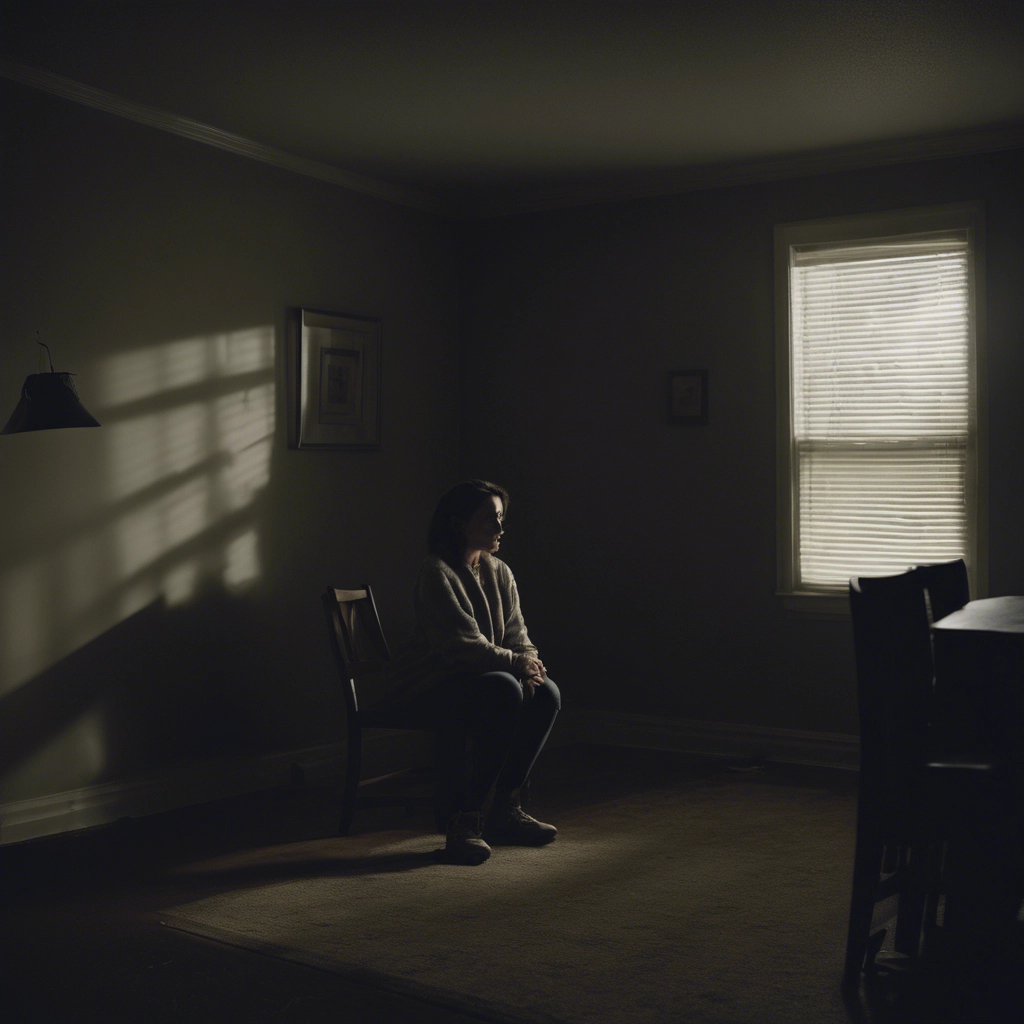
Fear of being alone, also known as monophobia or autophobia, is a common anxiety that many people experience
at various points in their lives. This fear can manifest in different ways, such as a fear of being physically
alone, a fear of being emotionally or socially isolated, or a fear of being without a specific person or group of people.
Causes
- 1. Early Childhood Experiences
• Neglect, abandonment, or inconsistent caregiving can create attachment insecurity.
• Trauma from being left alone or unsupported during distress. - 2. Attachment Styles
• Anxious-preoccupied attachment leads to excessive fear of separation and abandonment.
• Co-dependency in relationships may reinforce the belief that one “cannot function” alone. - 3. Underlying Conditions
• Anxiety disorders (panic disorder, generalized anxiety disorder).
• Depression, PTSD, or personality disorders (e.g., borderline personality disorder). - 4. Life Events
• Divorce, bereavement, or significant rejection may trigger or worsen the fear.
• Cultural or family environments that discourage independence.
Symptoms
Emotional
- Intense anxiety, dread, or panic when alone or anticipating being alone.
- Excessive reassurance-seeking or dependency on others.
Cognitive
- Catastrophic thinking (e.g., “Something bad will happen if I’m by myself”).
- Fear of abandonment or being unloved.
Physical
- Rapid heartbeat, sweating, dizziness, chest tightness.
- Sleep disturbances when alone.
Behavioral
- Avoiding being alone at any cost.
- Over-reliance on technology, constant calling/texting, or inability to self-soothe.
Management
- 1. Therapeutic Approaches
• Cognitive Behavioral Therapy (CBT): Challenges catastrophic thoughts and builds coping strategies.
• Exposure Therapy: Gradual, safe exposure to being alone to reduce avoidance.
• Attachment-Based Therapy: Addresses root causes linked to abandonment fears.
• Mindfulness & Acceptance (ACT): Learning to tolerate distress and self-soothe in solitude. - 2. Coping Skills
• Gradual Alone-Time Practice: Start with short periods alone, building confidence.
• Relaxation Techniques: Deep breathing, grounding exercises, progressive muscle relaxation.
• Self-Compassion Work: Reframing alone time as self-care rather than punishment.
• Journaling & Reflection: Processing fears and noticing triggers. - 3. Lifestyle Support
• Building Social Support: Healthy relationships without over-dependence.
• Developing Independence: New hobbies, solo activities, and self-reliance skills.
• Routine & Structure: Predictable activities that make being alone feel safer. - 4. When to Seek Professional Help
• If symptoms are intense, prolonged, or impair daily functioning.
• If the fear is linked with other mental health conditions like panic disorder or depression.
NAMARCHEALTH.CPN
Educational Resource
@drboatauthor.com
Check The Book Store