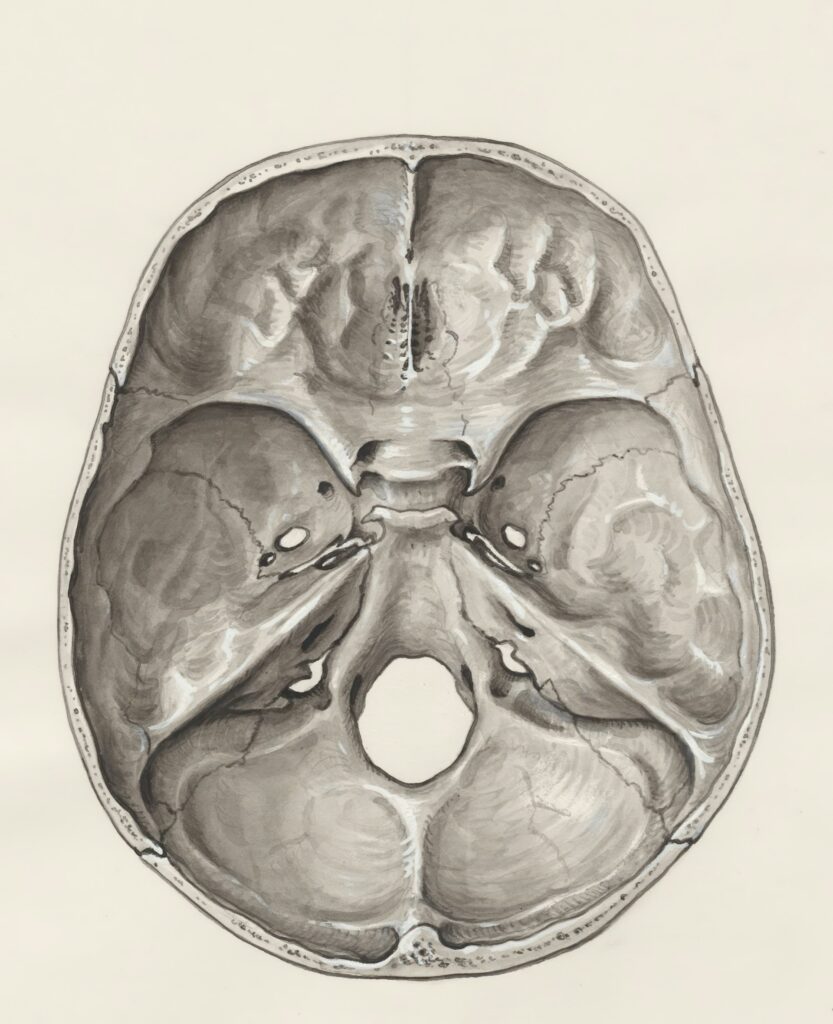
Presenting a forward-thinking, empowering tone to manage depression.
Depression, though deeply challenging, is absolutely treatable, and recovery is possible.
Causes of Depression
Depression is multifactorial, meaning it usually arises from a blend of biological, psychological,
and social factors. It’s not a sign of weakness; it’s a complex medical condition.
- 1. Biological Factors
• Genetics: A family history of depression can increase risk.
• Brain Chemistry: Imbalances in neurotransmitters like serotonin, dopamine, and norepinephrine.
• Hormonal Changes: Pregnancy, postpartum, menopause, thyroid issues can trigger depression. - 2. Psychological Factors
• Negative thinking patterns: Chronic pessimism, rumination (dwelling on negative thoughts).
• Early childhood trauma: Abuse, neglect, or loss can create vulnerability.
• Personality traits: Low self-esteem, high self-criticism, perfectionism. - 3. Social and Environmental Factors
• Chronic stress: Financial struggles, work problems, caregiving burnout.
• Isolation: Lack of a supportive social network.
• Major life transitions: Divorce, job loss, moving, grief from death.
Important Perspective: Depression is not anyone’s fault. It’s a legitimate health condition deserving of compassion, medical attention, and hopeful treatment.
Symptoms of Depression
Depression is much more than “feeling sad.” It’s a whole-body experience, affecting emotions, thoughts, and physical health.
Emotional Symptoms
- Persistent sadness, emptiness, or hopelessness
- Irritability or frustration, even over small matters
- Loss of interest or pleasure in hobbies and activities (anhedonia)
Cognitive Symptoms
- Difficulty concentrating, remembering, or decision-making
- Excessive guilt, self-blame, or feelings of worthlessness
- Thoughts of death or suicide (always a medical emergency)
Physical Symptoms
- Fatigue or loss of energy
- Changes in appetite (eating too much or too little)
- Sleep disturbances (insomnia or oversleeping)
- Aches, pains, headaches, or digestive problems without clear cause
Hope Note: Recognizing symptoms early can lead to faster recovery. Depression is treatable — you are not alone, and healing is absolutely possible.
🌟 Treatment for Depression
Treatment is highly individualized, but when properly addressed, many people experience full remission
and regain thriving lives.
- 1. Psychotherapy (“Talk Therapy”)
• Cognitive Behavioral Therapy (CBT): Helps reframe negative thinking patterns.
• Interpersonal Therapy (IPT): Focuses on improving relationship issues.
• Psychodynamic Therapy: Explores unconscious patterns rooted in the past.
• Behavioral Activation: Encourages engagement with positive activities. - 2. Medication
• Antidepressants (e.g., SSRIs, SNRIs, atypical antidepressants): Adjust brain chemistry.
• It often takes 4-6 weeks to notice full benefits. Persistence is key. - 3. Lifestyle and Holistic Interventions
• Exercise: Even light movement can dramatically boost mood.
• Nutrition: Balanced diet (Omega-3s, leafy greens, reduced sugar) supports brain health.
• Sleep hygiene: Regular routines help regulate emotional balance.
• Mindfulness, meditation, yoga: Proven to reduce symptoms.
• Social support: Connection is a healing force — therapy groups, trusted friends, family. - 4. Other Treatments (for Resistant Cases)
• TMS (Transcranial Magnetic Stimulation): Non-invasive brain stimulation.
• ECT (Electroconvulsive Therapy): Highly effective for severe, treatment-resistant depression.
• Ketamine Infusion Therapy: Emerging, fast-acting treatment in controlled medical settings.
Moving Forward: A Message of Hope
Depression is a chapter, not your whole story.
Seeking help is a profound act of courage. Whether through therapy, medication, small daily habits,
or a combination of approaches, every step you take is a powerful movement toward healing.
Recovery is nonlinear — there are ups and downs — but with proper support, you can build a beautiful,
rich life beyond depression.
NAMARCHEALTH.CPN
Educational Resource
@drboatauthor.com
Check The Book Store