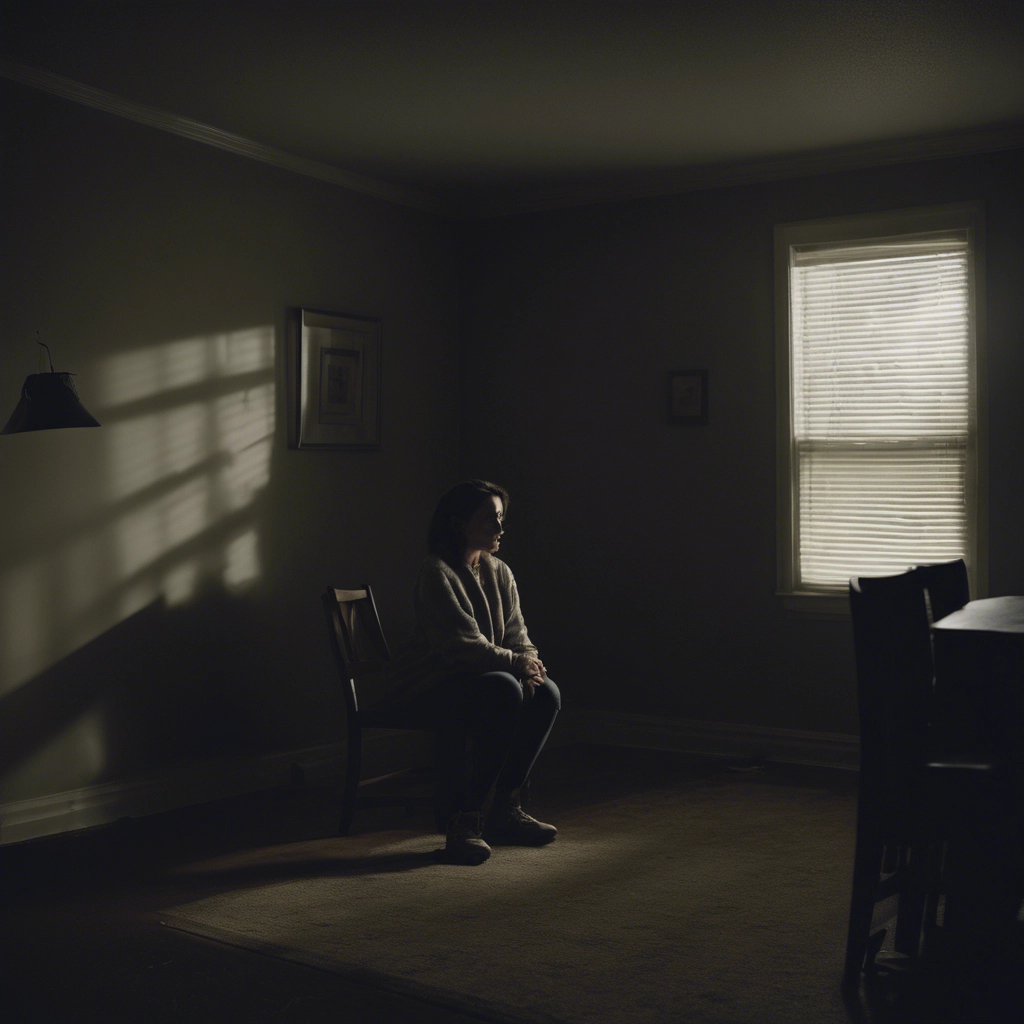
Anxiety and sleep problems often go hand in hand, as each can worsen the other. Anxiety can make it difficult to fall or stay asleep, while lack of sleep can increase feelings of stress and worry. Here’s an overview of the connection and practical strategies to address these issues.
Quick Navigation
How Anxiety Affects Sleep
- Hyperarousal: Worry or racing thoughts keep the mind active, making it hard to relax.
- Physical Symptoms: Tension, rapid heartbeat, and shallow breathing can block restful sleep.
- Sleep Disorders: Anxiety is linked to insomnia, nightmares, and restless sleep.
- Anticipatory Anxiety: Worrying about poor sleep can create a self-fulfilling cycle.
How Sleep Problems Worsen Anxiety
- Cognitive Impairment: Lack of sleep reduces the brain’s ability to regulate emotions, raising anxiety risk.
- Stress Response: Sleep deprivation increases cortisol (the stress hormone), heightening anxiety.
- Physical Fatigue: Feeling drained makes daily stressors seem more overwhelming.
Tips to Manage Anxiety and Improve Sleep
- Create a Relaxing Bedtime Routine:
- Take a warm bath, read a book, or listen to calming music.
- Avoid screens at least an hour before bed to reduce blue light exposure.
- Practice Relaxation Techniques:
- Deep breathing (e.g., 4-7-8 method: inhale 4s, hold 7s, exhale 8s).
- Progressive muscle relaxation to release tension.
- Mindfulness or guided meditation to calm racing thoughts.
- Adjust Your Sleep Environment:
- Keep the bedroom dark, quiet, and cool (65°F / 18°C is ideal).
- Use blackout curtains, white noise, or sleep masks if needed.
- Reserve the bed for sleep and intimacy only.
- Limit Stimulants:
- Avoid caffeine and nicotine in the evening.
- Reduce alcohol intake, which disrupts sleep cycles.
- Establish a Consistent Sleep Schedule:
- Go to bed and wake up at the same time every day.
- Use a pre-sleep ritual to signal wind-down time.
- Address Daytime Anxiety:
- Incorporate physical activity (walking, yoga, swimming).
- Journaling to process and release worries.
- Consider therapy such as CBT, effective for anxiety and insomnia.
- Use Natural Aids or Supplements:
- Herbal teas like chamomile or valerian root.
- Supplements like magnesium or melatonin (consult a doctor first).
When to Seek Professional Help
- If anxiety and sleep problems persist for more than a few weeks.
- If poor sleep significantly impacts daytime functioning.
- Speak with a healthcare provider about therapy or medication (CBT-I, anti-anxiety medication, etc.).